
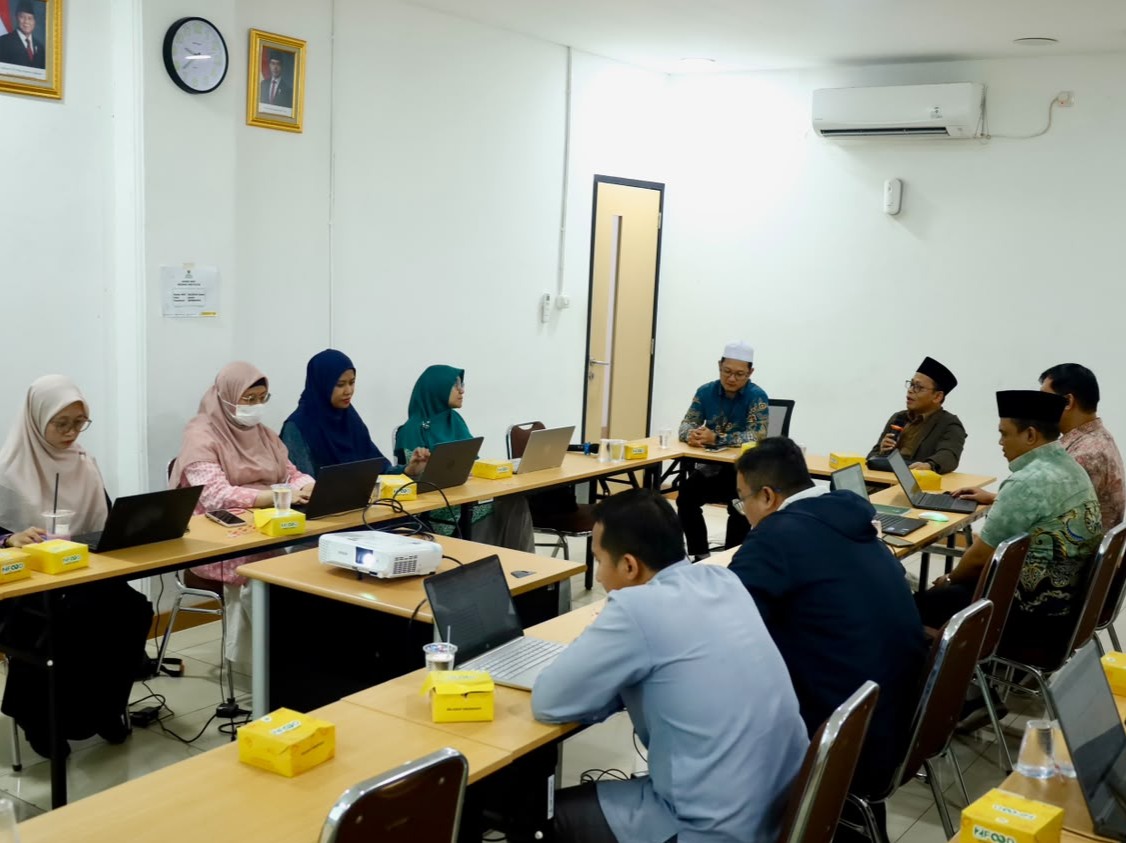
Jakarta, 29 October 2026 - The Directorate of Research, Studies, and Development of BAZNAS RI held a Focus Group Discussion (FGD) on the governance and operational management of Zakat Collection Units (UPZ) at the BAZNAS Institute Building in Jakarta. The discussion involved Deputies III, IV, and V and focused on strengthening UPZ governance, improving institutional coordination, and optimizing zakat collection and distribution.
In his opening remarks, the Director of Research, Studies, and Development at BAZNAS RI, Muhammad Hasbi Zaenal, emphasized that the discussion required careful consideration, as BAZNAS regulations apply nationwide. He stated that further discussions would involve the Human Resources and Finance units to examine their respective aspects of UPZ management, including human resources arrangements and amil rights.
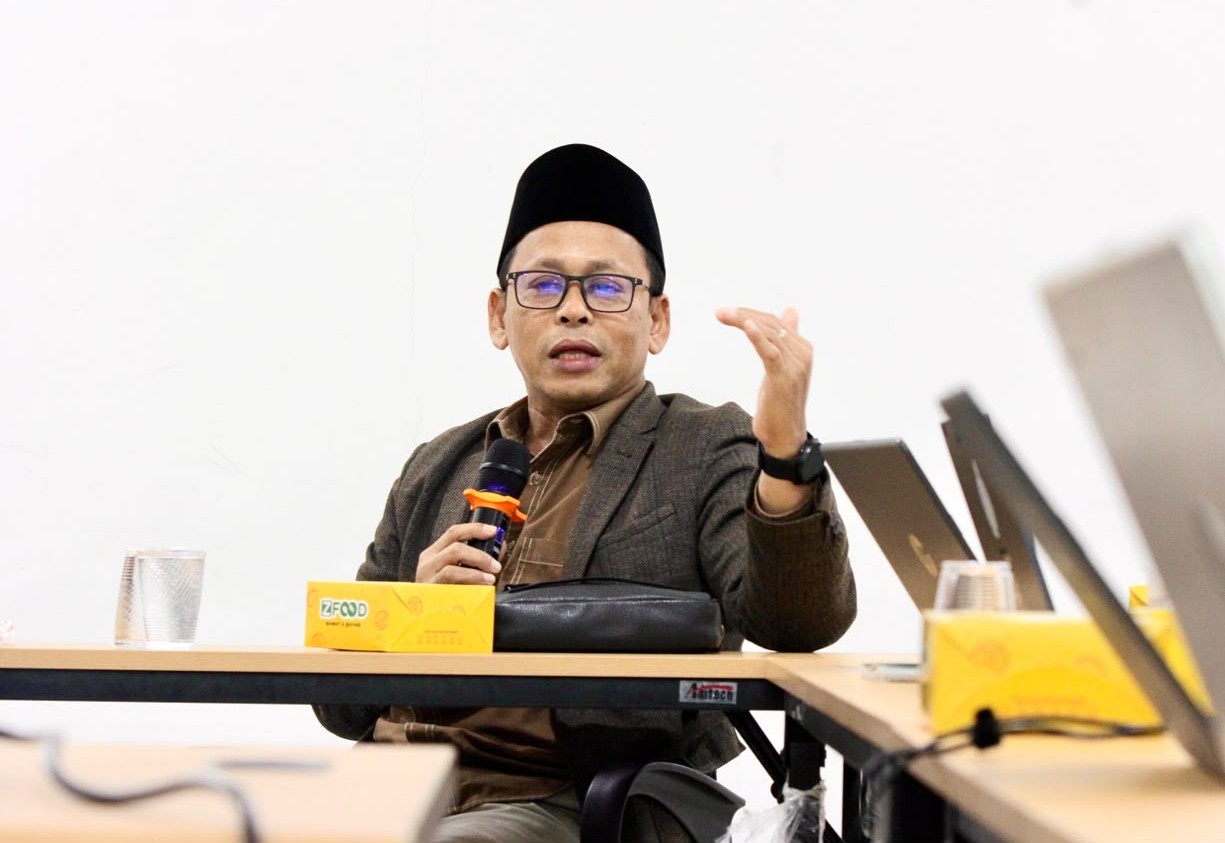
Commissioner for Research, Development, Planning, and Innovation at BAZNAS RI, H. Syarifuddin, S.Ag., M.E., emphasized that zakat management must comply with Sharia principles and applicable regulations. He highlighted the importance of cross-departmental collaboration and knowledge sharing, particularly in clarifying the legal framework, institutional position, and authority of UPZ. According to him, UPZ support approximately 50–60 percent of BAZNAS's zakat management, making their role and responsibilities essential to strengthening national zakat governance.
The discussion also addressed the integration of UPZ into BAZNAS's institutional, financial, and operational systems. Participants highlighted that UPZ have often operated separately from BAZNAS, resulting in differences in organizational structures, financial records, and working mechanisms. The forum emphasized the need for more coordinated human resource management, financial administration, and operational procedures to ensure that UPZ function as part of BAZNAS's institutional framework.
From the planning perspective, participants discussed the alignment of UPZ work plans and budgets (RKAT) with BAZNAS RI's planning process and Key Performance Indicators (IKK). The preparation of UPZ RKAT was proposed to take place earlier to facilitate the consolidation of collection and distribution targets. Participants also emphasized that collection targets should reflect each UPZ's capacity, while their authority at different institutional levels should be clearly defined and aligned with BAZNAS's performance objectives.
Regarding financial management, the forum discussed the evaluation of the zakat collection distribution scheme and the allocation of amil rights. Participants highlighted concerns about BAZNAS's financial sustainability and the need to establish a more balanced distribution mechanism. The discussion also covered the classification of UPZ according to their capacity, including the possibility of allowing lower-capacity UPZ to focus on collection while distribution is managed entirely by BAZNAS.
The Director of Monitoring and Evaluation (M&E) at BAZNAS RI, Danang Adi Nugraha, highlighted the importance of risk management and stakeholder mapping. Some institutions and foundations operating as UPZ already have independent philanthropic programs, which may create potential conflicts of interest, double accounting, or fund distribution outside BAZNAS's integrated recording system. The discussion emphasized the need to strengthen risk controls and clarify the institutional relationships between BAZNAS and its UPZ partners.
Participants also examined organizational structures and human resource management across UPZ in institutions such as the Ministry oFGD UPZ 2f Religious Affairs, BRIN, BRI, and BSI. Differences in organizational arrangements have affected the effectiveness of collection, operational management, and reporting. The forum proposed standardizing UPZ structures, clarifying the status and responsibilities of administrators and operational amil, and strengthening administrative oversight.
In terms of monitoring and accountability, the discussion highlighted the need for regular coordination, joint program calendars, routine monitoring and evaluation, and stronger financial reporting mechanisms. All UPZ are expected to prepare RKAT, submit collected funds, and report their collection activities transparently through systems integrated with BAZNAS. Participants also discussed strengthening reporting formats and information technology support to accommodate all zakat program areas, as existing systems and reporting formats remain limited.
The forum further emphasized the importance of open communication, technical guidance, and a more human-centered approach to UPZ development. Participants noted that some UPZ have received limited technical assistance beyond their appointment letters. BAZNAS therefore needs to strengthen dialogue, regular engagement, literacy support, and technical guidance to improve understanding of applicable regulations and operational procedures.
All inputs from the discussion will be consolidated as recommendations to support stronger UPZ governance, more coordinated human resource and financial management, improved risk controls, and more accountable zakat collection and distribution. The outcomes are expected to contribute to more effective and sustainable national zakat management.
Directorate of Research, Studies, and Development - M. Adziez As Siddiq