
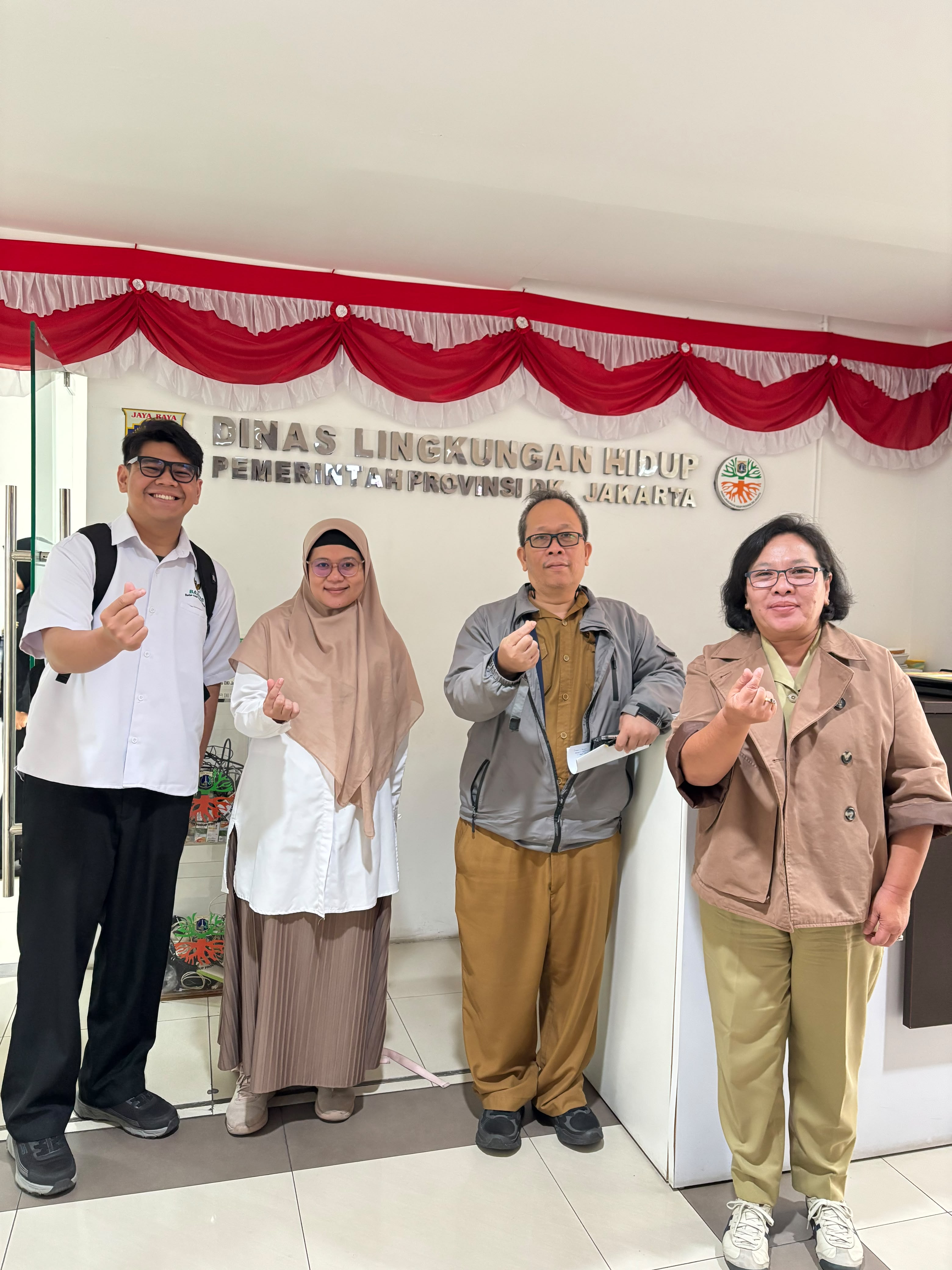
Jakarta, Indonesia - BAZNAS RI is paying close attention to waste management through the development of Waste Banks (Bank Sampah), one of 13 priority programs being promoted by BAZNAS. This focus is part of an effort to examine how waste management can be carried out at the community level while also delivering benefits for both the environment and society.
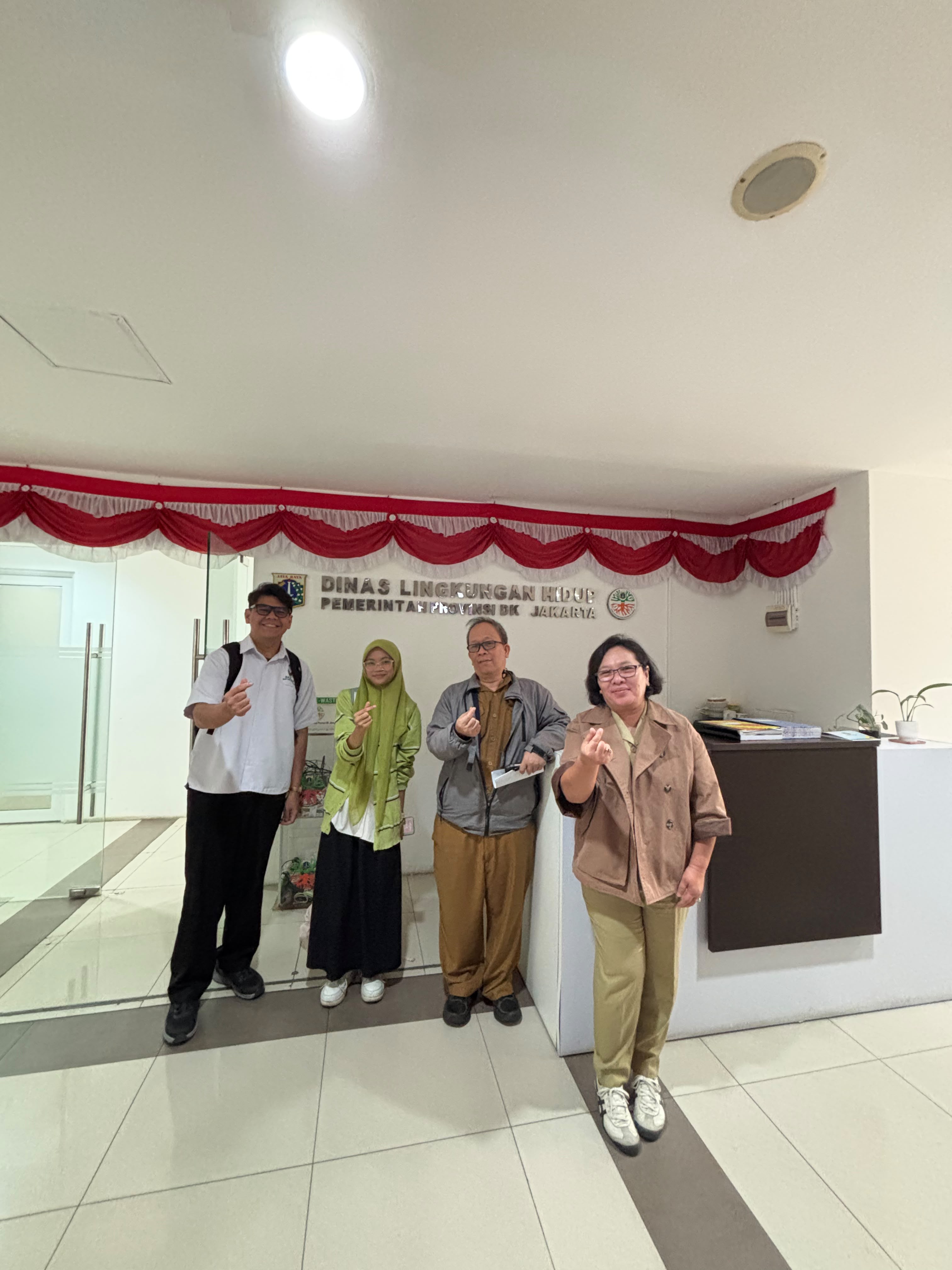
As part of this effort, BAZNAS RI held discussions with the Jakarta Environmental Agency (DLH DKI Jakarta) to learn about Waste Bank management in Jakarta, including the systems currently in place, the challenges being faced, and potential opportunities for collaboration. The discussion also served as an opportunity to observe waste management practices already underway within the community.
Jakarta has around 5,000 Waste Bank locations, though only about 50% of them are still active. Unit Waste Banks operate at the community level, while Central Waste Banks are located in each city and have Unit Waste Banks as their members. Jakarta's DLH conducts monitoring while also providing education to the public on waste sorting and management.
Around 50-60% of Jakarta's waste is organic, such as household and market food waste. Because of this, the public is encouraged to sort their waste starting from home. Organic waste can be processed into maggot feed material, while inorganic waste can be collected through Waste Banks. In 2025, around 10,000 tons of waste were recorded as having been sorted.
In addition to sorting, DLH also provides education on Waste Bank management, including institutional structure and financial management. This is done so that Waste Banks can operate well and don't stall midway. A number of Waste Banks have also received support through CSR programs from companies and banks.
This discussion shows that waste management requires the involvement of various parties. The government, the public, the business sector, and social institutions like BAZNAS can each play a role in supporting better and more sustainable waste management.